
When planning retaining walls for properties in Lilburn and Metro Atlanta, success depends on evaluating your specific soil drainage, slope, turf variety, and seasonal timing. Cruz R Landscaping Co provides tailored residential and commercial property care that accounts for Georgia's unique red clay conditions and humid subtropical climate.
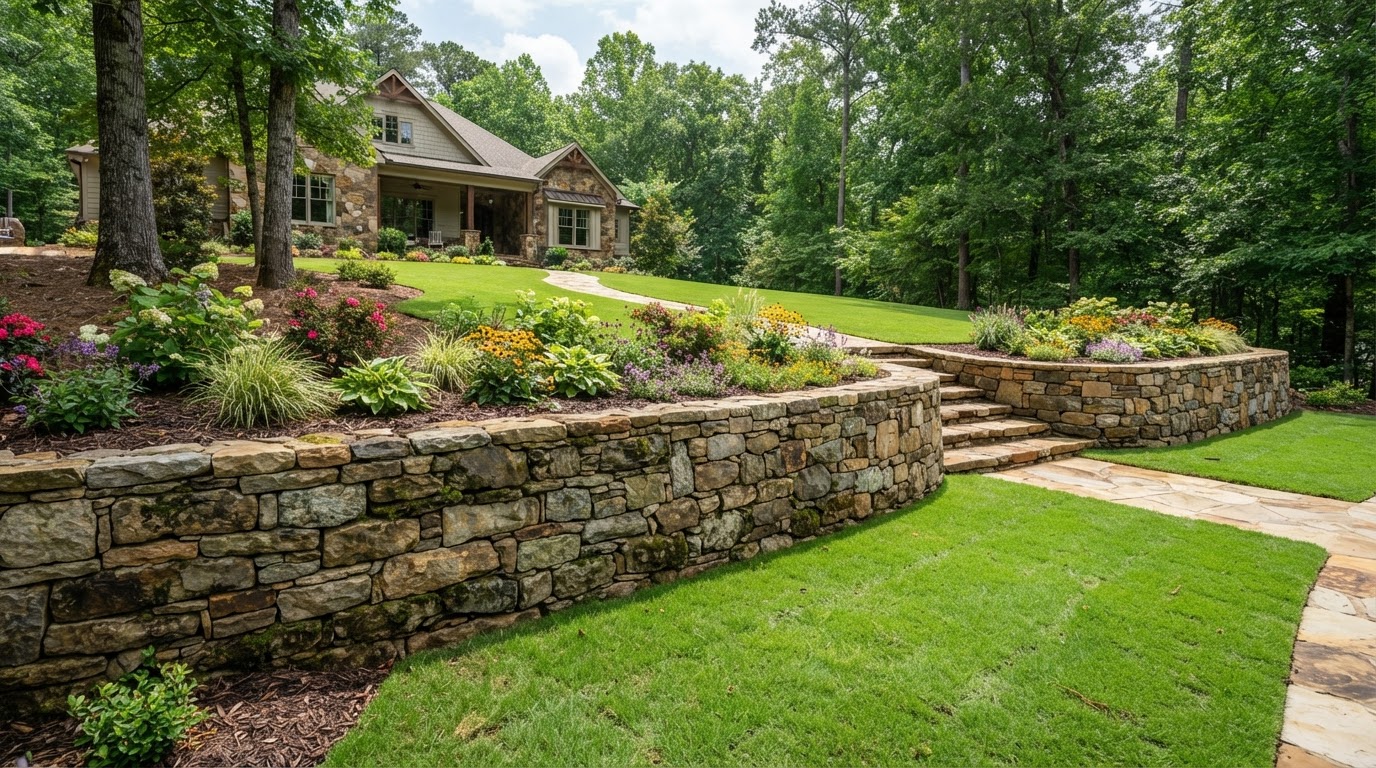
Retaining Walls in Georgia Landscapes
Professional care by Cruz R Landscaping Co
Table of Contents
Retaining Walls in Georgia: Essential Regional Context
Georgia properties across Lilburn, Gwinnett County, and the broader Atlanta perimeter face unique landscape dynamics dictated by Piedmont red clay soils, humid sub-tropical summers, and seasonal storm flushes. When planning retaining walls, understanding these regional conditions is critical to achieving long-lasting results. Dense clay retains heavy moisture during spring rains yet bakes into a rock-hard crust during midsummer dry spells, directly influencing root growth, drainage, and surface stability. Whether servicing an established neighborhood in Alpharetta or managing a commercial facility frontage, taking an individualized property view ensures the scope aligns with real-world site conditions.
Evaluating Key Scope Factors for Retaining Walls
Every property presents distinct site access challenges, boundary lines, existing plant maturity, and grade changes. During an initial review for retaining walls, property owners should assess lot topography, gate clearances (especially for zero-turn mowers or equipment trailers), underground utilities, irrigation heads, and dedicated pet areas. Clearly defining the required scope—whether focusing on routine turf maintenance, seasonal rejuvenations, or structural retaining barriers—prevents misunderstandings and provides a realistic baseline for scheduling and labor allocation.
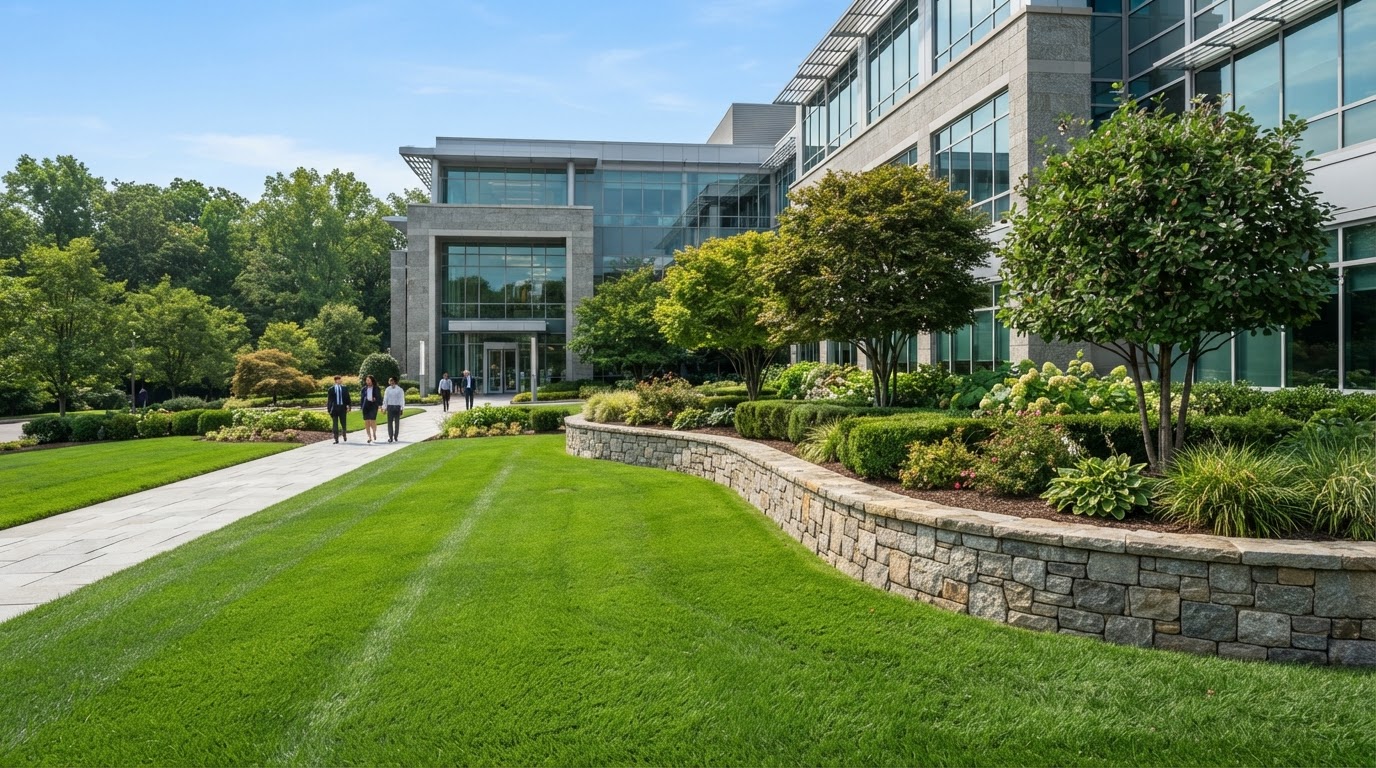
Seasonal Timing & Environmental Factors in Metro Atlanta
The timing of retaining walls substantially affects both short-term appearance and long-term durability. In North Georgia, spring (March to May) brings rapid vegetative green-up and prime planting windows, while summer (June to August) requires careful heat management and moisture retention. Autumn (September to November) offers optimal temperatures for soil alleviation, bed tucking, and root establishment, followed by winter cleanups and dormant upkeep. Tailoring your landscape schedule to Georgia's seasonal rhythms ensures resources are deployed when plants and soils are most receptive.
| Planning Factor | Residential Focus | Commercial Focus | Georgia Climate Factor |
|---|---|---|---|
| Project Frequency | Bi-weekly / Monthly or Seasonal | Weekly / Scheduled Contracts | Matches peak warm/cool season flushes |
| Site Accessibility | Pedestrian gates, fence lines, family pets | Loading docks, parking stalls, security gates | Avoid working in waterlogged red clay |
| Debris Handling | Curbside bagging or on-site mulching | Off-site removal & dump staging | Heavy autumn pine needle & oak drop |
| Long-Term Benefit | Curb appeal, safe yard, erosion control | Tenant safety, pristine storefront presentation | Protects topsoil from intense summer storms |
Best Practices for Reliable, Clean Execution
Professional execution of retaining walls relies on systematic site preparation, clean equipment maintenance, and respectful property etiquette. From maintaining surgical blade sharpness and establishing proper bed edge trenches to protecting existing foundation structures and clearing hard surfaces after work, attention to detail separates standard yard work from enduring craftsmanship. Homeowners and commercial facility directors alike benefit from transparent communication regarding work timelines, debris hauling, and ongoing watering routines.
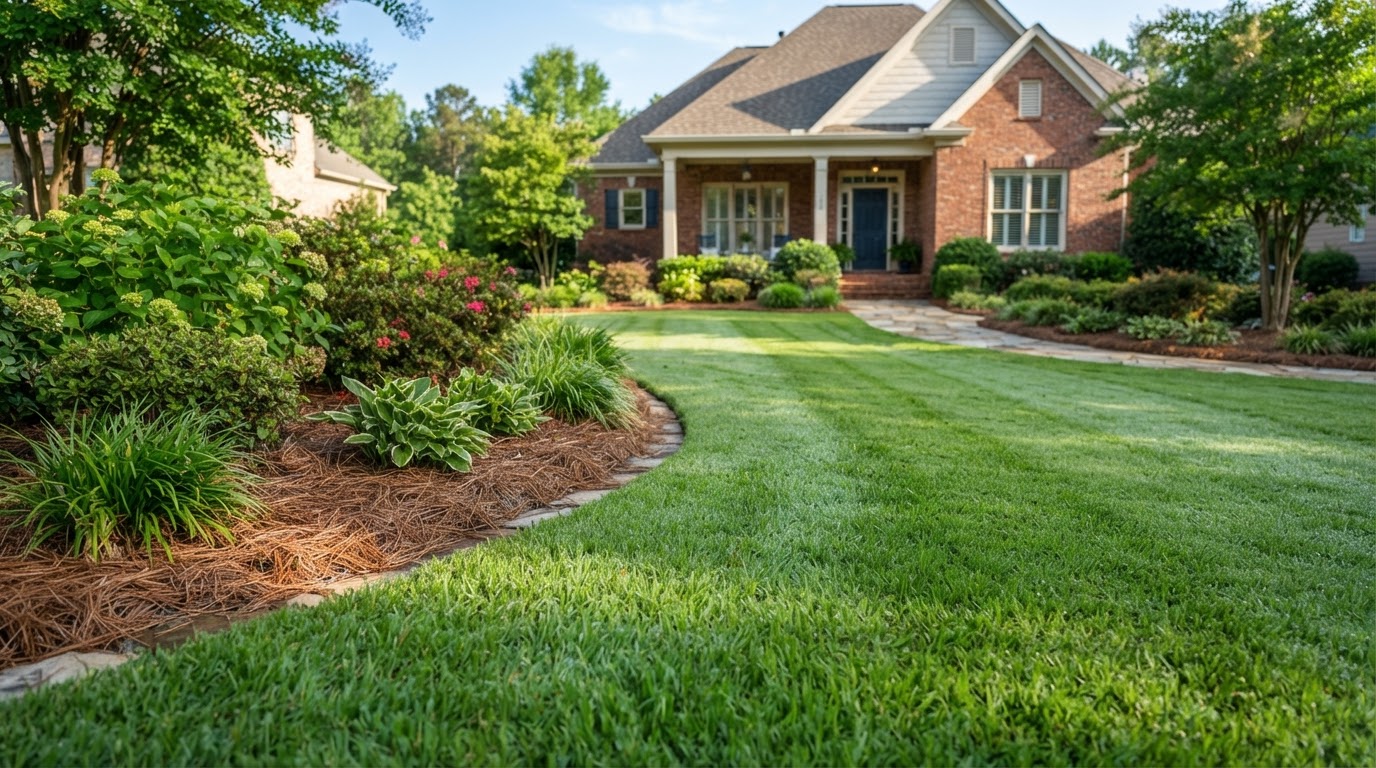
Key Decision Criteria Before Requesting an Estimate
Before reaching out for an estimate on retaining walls, gather basic facts regarding your property layout, past landscape history, and immediate pain points. Are you addressing urgent erosion, preparing for property marketing, or establishing a steady bi-weekly or monthly schedule? Formulating your project goals allows Cruz R Landscaping Co to provide an accurate, transparent scope confirmation that respects your property priorities and budget.
Related Services & Georgia Coverage
Looking for professional assistance with retaining walls? Explore our dedicated commercial offering and related service solutions:
Frequently Asked Questions About Retaining Walls
What is the typical timeframe for completing retaining walls?
Timelines vary based on lot size, slope complexity, and weather conditions. Routine property visits typically take between 45 minutes to 2 hours, whereas comprehensive cleanups or installations are quoted in full half-day or multi-day project scopes.
Do you provide retaining walls for commercial facilities as well as homes?
Yes. Cruz R Landscaping Co serves both residential homeowners and commercial properties, including retail centers, corporate offices, and HOA common areas throughout Lilburn and our 15 Georgia service markets.
How do Georgia red clay soils affect retaining walls?
Georgia red clay is dense, mineral-rich, and prone to severe compaction. It requires tailored equipment, proper trenching for drainage, and careful seasonal timing to avoid tearing wet turf or struggling through baked summer clay.
How do I request an estimate for retaining walls?
You can submit our simple online estimate form anytime or call our Lilburn base directly at (678) 500-6677. We will discuss your site dimensions, access notes, and project priorities.
What areas in Georgia do you cover for this service?
We cover Lilburn, Suwanee, Sugar Hill, Milton, Buford, Alpharetta, Johns Creek, Dacula, Buckhead in Atlanta, Lawrenceville, Stone Mountain, Snellville, Tucker, Dunwoody, and Duluth.